The World in Focus
What Lies Ahead in 2025

The year 2025 arrives with an air of familiarity, as the political instability, economic recovery, and the struggle for influence among global powers is likely to continue to define the months ahead. In this article, let’s take a look at some of the major events that are expected in 2025.
The Trump Presidency Returns
The return of Donald Trump to the U.S. presidency in January is expected to dominate the global narrative in 2025. His second term will likely see a revival of the “America First” agenda, marked by economic nationalism, renewed trade wars, and a more transactional approach to alliances. Analysts predict that Trump’s personal instincts will drive U.S. foreign policy.
The tensions between the USA and China are expected to increase as Trump’s unpredictable leadership style could lead to unexpected overtures. There are already news reports that the Chinese President Xi Jinping has declined Trump’s invitation to attend his inauguration.
Meanwhile, Trump’s expected focus on resolving the Russia-Ukraine War could also upset some of his NATO allies, especially if perceived concessions favor Russia. Domestically, Trump’s plans for sweeping bureaucratic changes may paralyze U.S. governance, creating a power vacuum that adversaries could exploit.
Asia-Pacific: A Region on Edge
Across Asia-Pacific, governments are likely to face political and economic hurdles as they navigate a complex geopolitical environment.
China is expected to focus on stabilizing its economy, with aggressive policies targeting the real estate sector and local government debt. Concurrently, Beijing’s assertiveness in the South China Sea could heighten regional tensions. Its outreach to Latin America and strategic moves in Southeast Asia signal China’s ambitions to expand its global influence.
In Japan, political instability under Prime Minister Ishiba Shigeru could complicate relations with Washington, particularly as Trump revisits cost-sharing agreements for U.S. military bases. Japan’s domestic challenges will test its resilience in the face of external pressures.
South Korea enters the year in political limbo following the impeachment of President Yoon Suk-yeol. With snap elections on the horizon, the nation will also need to adapt to shifting U.S. policies that could disrupt defense and economic ties.
Southeast Asia: Conflict and Reforms
The ongoing civil war in Myanmar will likely intensify as resistance groups gain ground against the military junta. China’s mediation efforts may shape the conflict’s outcome, though achieving a lasting peace remains uncertain. Given the risk of instability and violence in states like Manipur, Mizoram and Nagaland, India must keep a close eye on the developments in Myanmar.
In Vietnam, the new leadership under To Lam has pledged sweeping reforms aimed at boosting efficiency and economic growth. The success of these initiatives will be closely watched as the nation balances domestic priorities with rising geopolitical tensions.
Thailand is expected to make progress in its economic recovery, driven by government initiatives targeting household debt and consumer spending. However, persistent political instability could derail its momentum.
The Pacific and Oceania: A Contest for Influence
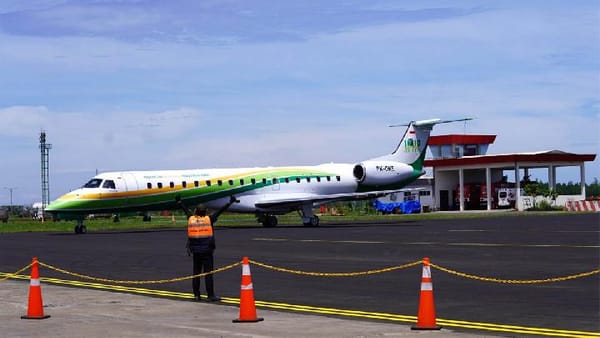
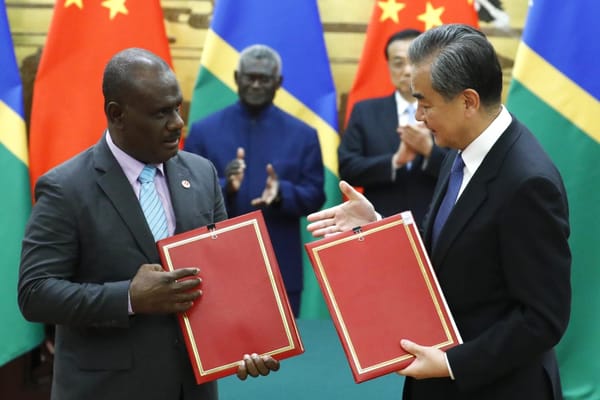
The Pacific region is set to remain a focal point of US-China rivalry. Taiwan will likely continue to be a flashpoint, with both superpowers vying for influence in the region. Trump’s administration may double down on security initiatives, while Beijing strengthens its economic and diplomatic ties with Pacific nations.
In Australia, anticipated elections could bring new leadership, potentially reshaping its approach to Pacific relations. Smaller Pacific nations will face increasing pressure to navigate the competing interests of Beijing and Washington, as the region becomes a key battleground in the global geopolitical contest.
Europe and Russia: Fragile Alliances
The Russia-Ukraine War will remain a critical concern, with the Trump administration likely attempting to broker a settlement. Such efforts could strain US-European relations, especially if they are perceived as undermining NATO’s collective security.
In Central Asia, Russia’s influence over regional governments will persist, even as public discontent grows. The region’s reliance on Moscow for security and economic support will be tested as new dynamics emerge.
Middle East and North Africa: Conflict and Continuity
The Middle East will very likely continue to experience instability, with the Israel-Hamas conflict and broader regional tensions dominating headlines. Governments in the region will need to recalibrate their strategies to align with anticipated shifts in U.S. foreign policy under Trump.
Economic and Security Challenges
Economic recovery will be a top priority for many nations, as they confront structural weaknesses exposed by the pandemic. China’s reforms, Thailand’s recovery measures, and Pakistan’s fiscal stabilization efforts underscore the global need for resilience and adaptation.
Security hotspots, from the South China Sea to the Russia-Ukraine War, will demand careful diplomacy. Meanwhile, militant activity in Afghanistan and Pakistan could pose renewed threats to regional stability. India should also keep a close watch on this conflict as it also has the potential to destabilize J&K once again.
Conclusion: A Pivotal Year Ahead
As 2025 unfolds, it’s very likely that the world will face a blend of recurring challenges and new uncertainties. Political turbulence, economic fragility, and geopolitical competition will test the resolve of nations and leaders. While the challenges of 2025 may feel familiar, the year also offers opportunities for collaboration and new approaches to problem-solving. How nations address these issues will play a key role in shaping the global landscape in the months ahead.