Quiet Power
How Rwanda Is Reshaping African Diplomacy
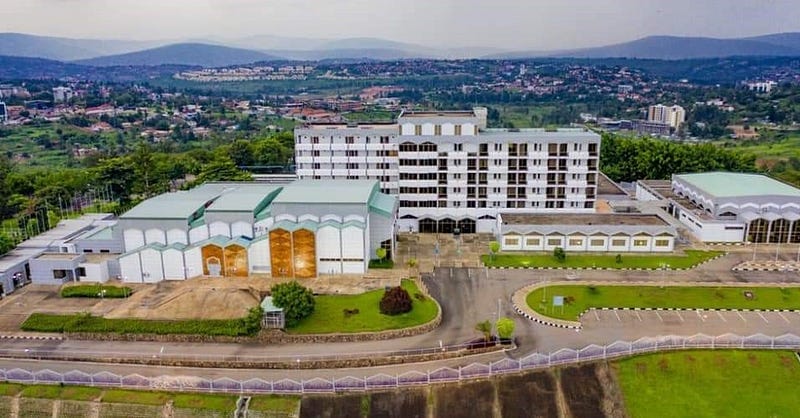
In a continent where geopolitical power is often measured in size, resources, or economic heft, Rwanda stands out as an anomaly. Landlocked, modest in population, and scarred by the 1994 genocide, the country has nonetheless emerged as one of Africa’s most assertive and strategic diplomatic players. Under the leadership of President Paul Kagame, Rwanda has projected a form of influence best described as “quiet power” — a strategic blend of subtle military assertiveness, diplomatic agility, and a carefully crafted image of modernity that avoids overt confrontation while steadily expanding its reach — built on military precision, strategic deployments, and a reputation for efficiency and reliability. As African geopolitics is going through a subtle transformation, Rwanda’s growing role deserves closer scrutiny.
From Genocide to Governance: The Foundations of a Strategy
To understand Rwanda’s diplomatic posture, one must begin with its post-1994 transformation. The genocide against the Tutsi, in which an estimated 800,000 people were killed, left the state in ruins and the society deeply fractured. Kagame, a former guerrilla commander and head of the Rwandan Patriotic Front, took power promising national unity, security, and reconstruction.
Over the next two decades, his government redefined Rwanda’s global image. Once synonymous with tragedy, the country became known for clean streets, efficient governance, and rapid economic growth. International donors praised its results-oriented administration, while the country positioned itself as a model of African success. Underneath this transformation, lies a hard-nosed statecraft, especially visible in Rwanda’s growing international presence.
Rwanda the Peacekeeper: Military Power Abroad
Rwanda’s influence extends far beyond its borders through carefully chosen military deployments. It is now one of the most active African countries in international peacekeeping operations, particularly in conflict-prone zones where rapid intervention is required.
Rwanda has demonstrated its capacity for rapid, targeted military interventions in the Central African Republic (CAR) and Mozambique. In the CAR, hundreds of Rwandan troops have been deployed to protect the capital, Bangui, and support the fragile government against rebel factions. While some operate under UN command, others are stationed through bilateral agreements, underscoring Kigali’s ability to act independently when needed.
Similarly, in Mozambique, Rwandan forces have played a central role in combating an insurgency in Cabo Delgado province. Deployed in 2021 at the request of the Mozambican government, they secured key towns and restored a degree of calm in regions where local forces had struggled for years. In both cases, Rwandan troops have been lauded for their discipline, operational clarity, and for being better equipped than many regional counterparts.
These interventions have earned Rwanda a reputation as a reliable security provider. However, critics also argue that Rwanda pursued these missions not only for regional stability but also for access to natural resources and strategic influence. They claim that military engagement allows Rwanda to build alliances, secure lucrative mining concessions — particularly in the CAR — and even target political opponents operating in exile, all while projecting an image of disciplined leadership. Unlike broader regional blocs that often take months to coordinate deployments, Rwanda has demonstrated agility and clarity of purpose — attributes that have won it allies across the continent.
The Diplomatic Playbook: Soft Power and Strategic Partnerships
Military efficiency, however, is just one part of the story. Rwanda has also developed a parallel track of soft power diplomacy. It regularly hosts major international conferences, such as the Commonwealth Heads of Government Meeting (CHOGM) in 2022, and positions itself as a platform for pan-African dialogue.
The country has also cultivated diverse diplomatic partnerships. Relations with India have deepened through cooperation in agriculture, education, and digital services. Ties with Israel have flourished, especially in security and surveillance technology. Newer relationships with countries like Qatar and Turkey reflect Rwanda’s strategic pivot towards non-traditional partners.
Perhaps most notably, Rwanda has increased its military and political cooperation with Russia. While this relationship has raised some concerns among Western allies, Rwanda has thus far managed to maintain its foreign aid flows and diplomatic engagements by presenting its partnerships as pragmatic rather than ideological. In the CAR, Rwandan troops work alongside Russian advisers, including those affiliated with the now-restructured Wagner group. This pragmatic approach to alliances, unburdened by ideological alignment, allows Rwanda to expand its influence while avoiding overdependence on Western powers.
Strategic Defiance: A Calculated Detachment from the West
Rwanda’s growing confidence has also led to diplomatic friction. In March 2025, the country expelled several Belgian diplomats following criticism of its internal political practices. The move drew rebuke from Belgium, but Rwanda stood firm. Similarly, its recent withdrawal from the Economic Community of Central African States (ECCAS), though controversial, was framed as a response to the bloc’s politicisation by rival states.
These actions underscore Kagame’s willingness to challenge both regional norms and Western expectations. While Rwanda continues to receive significant foreign aid, its foreign policy is increasingly defined by strategic autonomy. It will partner where interests align, but it resists external interference in its domestic affairs.
The Limits of Quiet Power: Authoritarianism and Accountability
Rwanda’s assertive diplomacy is not without criticism. At home, the political space remains tightly controlled. Opposition figures such as Victoire Ingabire face legal challenges and restrictions. Independent media is minimal, and dissent is often suppressed.
International human rights groups have accused the Rwandan government of targeting exiled dissidents abroad. While its peacekeeping operations are praised, its alleged involvement in neighboring conflicts, especially in eastern Congo, continues to draw scrutiny.
This dual image — of a disciplined, development-driven government abroad and a repressive regime at home — complicates the narrative of Rwanda as a model state. The very qualities that make it an efficient diplomatic actor are sometimes seen as symptoms of deeper authoritarian tendencies.
Conclusion: The Rise of a 21st-Century African Power
While Rwanda is not seeking an empire, it’s undeniably seeking influence. As Africa navigates an era of multipolar engagement, countries like Rwanda are rewriting the rules. The question that remains is whether Rwanda’s version of “quiet power” can be sustained. For now, the world is probably watching Rwanda with quiet suspicion and wary observation.
#Rwanda #AfricanDiplomacy #PaulKagame #Geopolitics #Peacekeeping #AfricaPolitics #CentralAfricanRepublic #Mozambique #QuietPower #ForeignPolicy #DevelopmentModel #Rwanda2025 #IndiaAfrica #Authoritarianism #MultipolarWorld #StrategicInfluence #SoftPower