Pacific Power Struggle
China’s Growing Influence in the Cook Islands
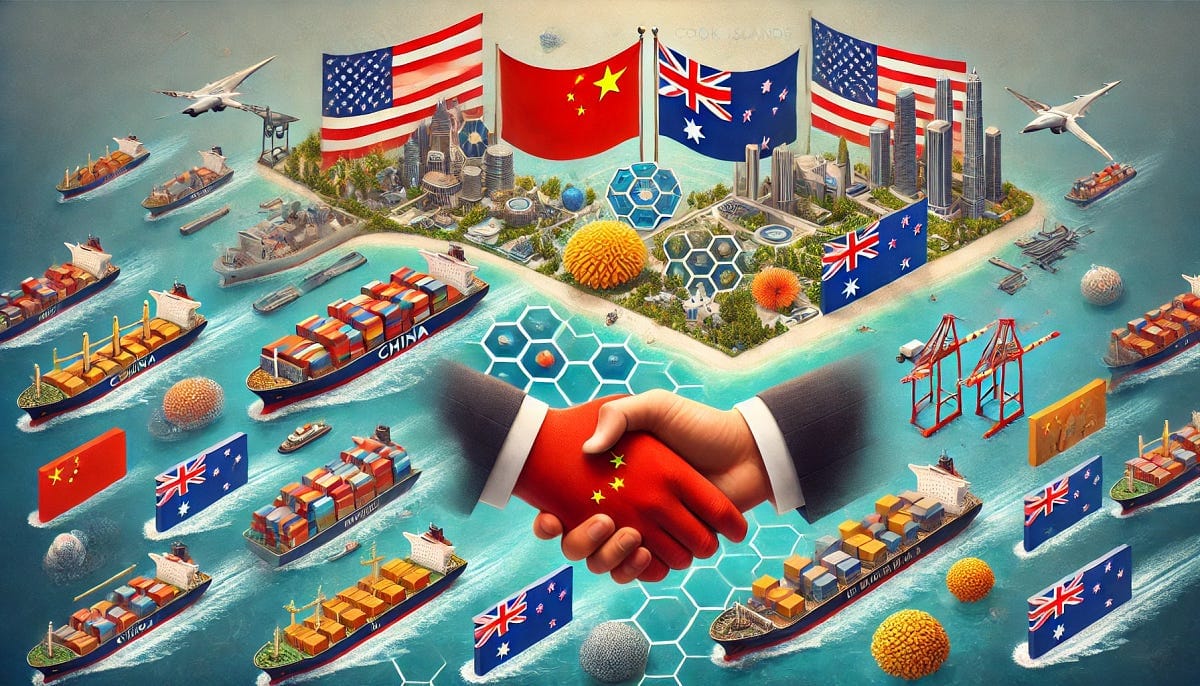
China’s expanding influence in the Pacific has taken a new turn with its recent agreement with the Cook Islands last week. The deal, which establishes a strategic partnership between the two countries, has sent shockwaves through Australia, New Zealand and the USA. While the agreement focuses on economic cooperation, infrastructure development, and seabed mining, its broader geopolitical ramifications could reshape power dynamics in the Pacific.
The Cook Islands: A Small Nation with Strategic Importance
The Cook Islands is a self-governing territory in the Pacific Ocean, located northeast of New Zealand. With a land area of just 240 square kilometers and a population of approximately 17,000, it is one of the smallest nations in the world. Despite its size, the Cook Islands holds significant geopolitical value due to its exclusive economic zone (EEZ), which covers nearly two million square kilometers of ocean. This vast maritime territory is rich in mineral resources, making it an attractive partner for external powers like China.
Historically, the Cook Islands has depended on New Zealand for economic assistance, diplomatic representation, and security, though it governs its own internal affairs. This free association with New Zealand provides the Cook Islands with financial aid commitments, as well as defense and foreign policy support from New Zealand. The citizens of Cook Islands hold New Zealand passports. However, in recent years, this island nation has sought to diversify its foreign relationships, looking toward countries like China for economic opportunities. To some extent, New Zealand is also responsible for this situation because it had been encouraging Chinese involvement in the region.
China’s Expanding Interests in the Cook Islands
China’s interest in the Cook Islands is driven by both economic and strategic considerations. One of the most significant aspects of the recent agreement is seabed mineral exploration. The Cook Islands’ waters are believed to contain vast deposits of polymetallic nodules, which hold critical minerals such as cobalt, nickel, and rare earth elements. These minerals are essential for advanced technologies, including electric vehicle batteries, semiconductors, and renewable energy infrastructure. By securing a role in the Cook Islands’ seabed mining sector, China gains an advantage in controlling the global supply of these crucial resources.
Beyond economic opportunities, China’s engagement with the Cook Islands also aligns with its broader geopolitical ambitions in the Pacific, particularly as part of its Belt and Road Initiative, which has extended China’s influence across multiple Pacific nations. Over the past two decades, China has invested heavily in infrastructure projects across the region, providing loans, grants, and diplomatic support to Pacific Island nations. The Cook Islands partnership allows China to deepen its influence in the Pacific, countering the dominance of traditional allies like New Zealand, Australia, and the United States.
How China Gained a Foothold in the Region
China’s increasing presence in the Cook Islands did not happen overnight. Over the years, China has employed a combination of economic diplomacy and soft power initiatives to strengthen ties with the island nation. Infrastructure funding has been a key tool in China’s strategy, with investments in roads, government buildings, and development projects across the Pacific. Additionally, China has expanded educational exchanges, offering scholarships for Cook Islands students to study in Chinese universities, thereby fostering long-term goodwill.
Another factor that has helped China gain a foothold is the economic vulnerability of Pacific nations. The Cook Islands, like many other small island states, relies heavily on tourism, which was severely impacted by the COVID-19 pandemic. China’s financial and developmental assistance has offered an alternative to traditional Western aid, allowing the Cook Islands to pursue economic diversification.
New Zealand’s Concerns and Reactions
The agreement between China and the Cook Islands has sparked unease in New Zealand, which has long viewed the Pacific as part of its sphere of influence. One of its primary concerns is that the Cook Islands government did not consult New Zealand before signing the deal, signaling a shift in the island’s foreign policy direction. New Zealand is also wary of China’s growing economic and political clout in the Pacific. The potential for economic dependence on China raises concerns about long-term sovereignty and decision-making autonomy for the Cook Islands.
Domestically, the deal has faced opposition within the Cook Islands itself. Many residents have voiced concerns about transparency, as the government was initially reluctant to release the full details of the agreement. A segment of the population remains skeptical about China’s involvement, fearing that economic aid could come with strings attached. Protests in the capital, Avarua, reflect these anxieties, as citizens call for greater oversight and accountability.
After mounting pressure, the government of the Cook Islands has finally agreed to release the action plan of the agreement made with China. The opposition is also planning to bring a no-confidence motion against the government on this issue.
Implications for the U.S. and Australia
The China-Cook Islands partnership has broader implications for the balance of power in the Pacific. For the United States and Australia, China’s expanding presence in the region is part of a larger pattern of strategic competition. Both countries have long sought to counter China’s influence in the Indo-Pacific, viewing the Pacific Islands as critical to regional security.
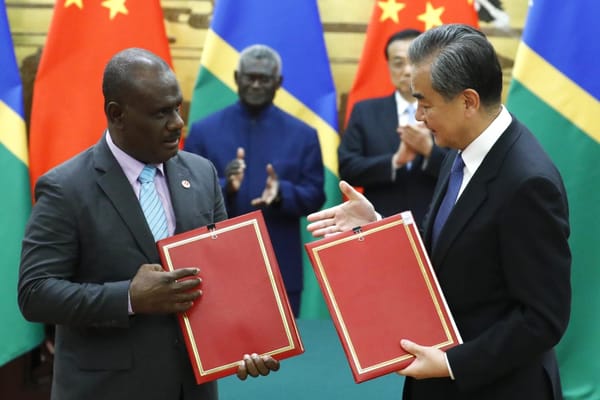
From a military perspective, while the Cook Islands deal does not include security arrangements, past Chinese agreements in the Pacific, such as those with the Solomon Islands, have at times evolved to include security elements, raising concerns about potential future developments. The United States and Australia have already taken steps to counter China’s outreach, increasing aid and strengthening diplomatic ties with Pacific nations. The US’ Indo-Pacific strategy emphasizes partnerships with Pacific Island states to ensure they do not become overly reliant on Chinese investment.
Another area of concern is the potential impact on global supply chains. China’s access to seabed mining resources in the Cook Islands could give it greater control over critical minerals essential for the global technology industry. This development may prompt the U.S., Australia, and their allies to accelerate their own efforts to secure alternative sources of rare earth elements and other strategic minerals.
Conclusion
The China-Cook Islands agreement is more than just a bilateral economic deal — it is a reflection of shifting power dynamics in the Pacific. While the Cook Islands seeks economic diversification, its engagement with China raises significant geopolitical questions. New Zealand, the U.S., and Australia must now rethink their strategies to maintain influence in a region where China is steadily expanding its reach. The coming years will determine whether Pacific nations can strike a balance between economic growth and strategic autonomy in the face of competing global interests.
#Geopolitics #China #CookIslands #PacificRegion #BeltAndRoad #SeabedMining #ChinaInfluence #NewZealand #Australia #USA #IndoPacific #GlobalTrade #StrategicPartnership #MineralResources #EconomicDiplomacy #PacificIslands #ChinaVsWest #InternationalRelations #SupplyChainSecurity #GlobalPowerShift