Indonesia’s entry into BRICS
A New Chapter in Global Politics
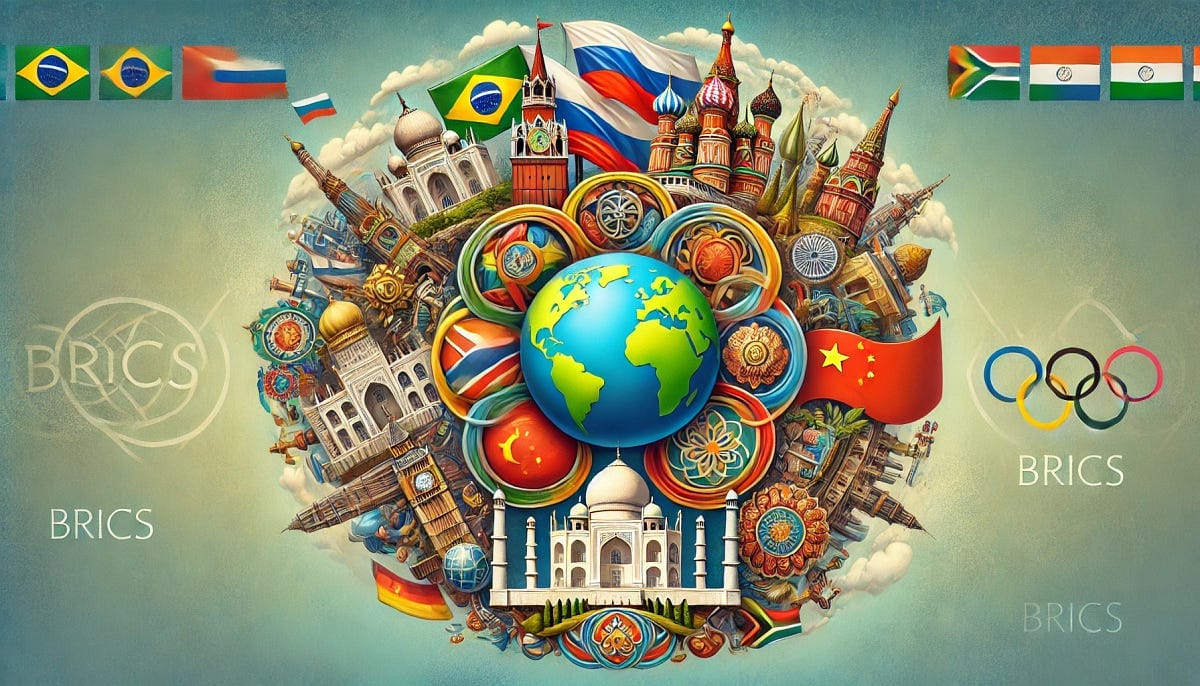
In a significant development for the global economic landscape, Indonesia has officially become a member of BRICS, joining Brazil, Russia, India, China, and South Africa in this influential bloc of emerging economies. As one of Southeast Asia’s largest economies and a major player on the international stage, Indonesia’s inclusion brings fresh momentum to the alliance. This development not only enhances BRICS’ economic and geopolitical clout but also signals the growing importance of the Global South in shaping a multipolar world.
What is BRICS?
BRICS is an intergovernmental organization formed in 2009 by Brazil, Russia, India, and China. In 2010, South Africa became a member, after being formally invited by China. The group was then renamed BRICS to reflect the group’s expanded membership.
Initially envisioned as a platform for emerging economies to collaborate on economic growth and development, BRICS aimed to challenge the dominance of Western-led financial institutions such as the IMF and World Bank. Over the years, BRICS has established initiatives like the New Development Bank (NDB), aimed at financing infrastructure projects, and Contingent Reserve Arrangement (CRA) to provide protection against global liquidity pressures, reflecting its members’ commitment to financial cooperation and sustainability.
The group has gradually evolved into a geopolitical and geoeconomic bloc. Relations among BRICS are conducted mainly based on non-interference, equality, and mutual benefit.
The BRICS Expansion
The idea of expanding BRICS has been under discussion for years, but it gained momentum around the Johannesburg summit in 2023. Criteria for joining BRICS typically include economic stability, strategic alignment with existing members, and potential contributions to the group’s goals.
By January 2024, Egypt, Ethiopia, Iran, and the UAE had joined the bloc, and now Indonesia has become the first Southeast Asian country to join as the 10th member of BRICS on 6 January 2025.
In October 2024, Algeria, Belarus, Bolivia, Cuba, Kazakhstan, Malaysia, Nigeria, Thailand, Turkey, Uganda, Uzbekistan and Vietnam were invited to participate as “partner countries”. The partner status would allow these countries to engage with and benefit from BRICS initiatives.
With these additions, the acronym BRICS+ has also been informally used to reflect new membership.
Indonesia’s bid for membership was approved in 2023, but the country initially hesitated to join BRICS. Under former President Joko Widodo, Indonesia was cautious about aligning too closely with any bloc, preferring to maintain its traditional non-aligned stance. There were also concerns about potentially jeopardizing Indonesia’s leadership in ASEAN or its relationships with Western partners. However, after the change of presidency in 2024, the new Indonesian government under President Prabowo Subianto announced that it had decided to seek full membership of the BRICS.
Impact of Indonesia’s Membership
Indonesia brings considerable economic and geopolitical value to BRICS. With its large population, Indonesia also significantly enhances BRICS’ global representation, now accounting for over 45% of the world’s population.
As Southeast Asia’s largest economy, Indonesia brings substantial trade opportunities, particularly in sectors like palm oil, coal, and natural gas. This membership also aligns with Indonesia’s aim to diversify its international partnerships.
Geopolitically, its location in the Indo-Pacific region bolsters BRICS’ strategic influence in a key area of global trade and security. For Indonesia, BRICS membership offers opportunities to diversify trade partnerships, access development funding, and strengthen its voice on the global stage.
However, currently, the group is still dominated by China, which has about 70% of the BRICS’ total GDP. It’s too early to say whether Indonesia will pursue an independent role within BRICS or will it align closely with China because Indonesia’s relationship with China is characterized by significant economic ties and cautious diplomacy.
As China’s largest trading partner in Southeast Asia and a key participant in the Belt and Road Initiative, Indonesia benefits from Chinese investments in infrastructure and energy. However, it also maintains its strategic independence, particularly regarding disputes over the South China Sea. This careful balance reflects Indonesia’s desire to collaborate economically with China while safeguarding its sovereignty and regional leadership, especially within ASEAN.
Conclusion
Indonesia’s journey to joining BRICS marks a new chapter for the grouping. Its entry underscores the growing significance of emerging economies in reshaping global governance. As BRICS evolves, Indonesia’s participation promises to bring fresh perspectives and opportunities, cementing the alliance’s role in a multipolar world. The future of BRICS, with its expanded membership, will likely define the contours of global geopolitics in the years to come.
#BRICS #BRICS2025 #BRICSExpansion #EmergingEconomies #GlobalSouth #Geopolitics #EconomicCooperation #MultipolarWorld #IndonesiaInBRICS #IndonesiaEconomy #ASEAN #IndoPacific #GlobalTrade #IndonesiaGeopolitics #BRICSPlus #NewDevelopmentBank #GlobalEconomy #SustainableDevelopment #TradeOpportunities #InfrastructureDevelopment #IndiaIndonesia #ChinaIndonesia #IndonesiaDiplomacy #StrategicPartnerships #GlobalLeadership #EconomicStability #WorldGovernance #BRICSMembership