2024 in Review
A Tumultuous Year for Global Politics
The year 2024 will be remembered as one of seismic political shifts, reflecting a world grappling with economic challenges, social unrest, and an increasing wave of anti-incumbent sentiment. Across continents, elections reshaped governments, geopolitical tensions deepened, and minority Hindu communities faced escalating threats. As we enter the last week of 2024, let’s look at some key political events that defined the year and their broader implications for the global order.
The Global Anti-Incumbent Wave and the Indian Exception
More than 70 countries held national elections in 2024, representing almost half the world’s population. Disillusionment with incumbent governments emerged as a defining trend in these elections. From the United States to Botswana, voters signaled their frustration with entrenched leadership and unmet economic promises. The shared themes of inflation, unemployment, and political scandals fueled this anti-incumbent sentiment.
In South Africa, the African National Congress (ANC) lost its parliamentary majority for the first time since the end of apartheid, resulting in a coalition government. Similarly, Botswana’s 58-year dominance by the Botswana Democratic Party ended, driven by youth dissatisfaction over unemployment and economic stagnation. In Japan, the ruling Liberal Democratic Party’s loss of its majority signaled a rare shift in a country known for political stability. These changes underline the growing demand for accountability and change across democracies. Prime Minister Narendra Modi stands out as a rare exception to survive this anti-incumbent wave, securing a third term as Prime Minister.
National Elections: A Year of Political Firsts and Upheavals
The various national elections in 2024 brought both historic moments and significant upheavals. In Asia, for example, the general elections were held in Indonesia in February, marking the largest single-day election in the country’s history. Prabowo Subianto won the presidency with over 58% of the vote.
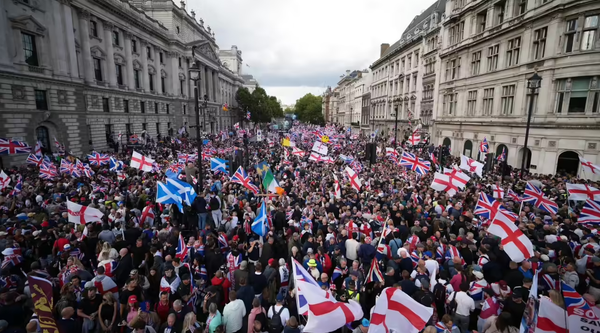
On the other hand, in Europe, President Emmanuel Macron of France dissolved the National Assembly and called for snap legislative elections in June following his coalition’s defeat in the European elections. Meanwhile, in the UK, Prime Minister Rishi Sunak faced a tightly contested election and lost to the Labour Party, led by Keir Starmer, which secured a significant victory, ending 14 years of Conservative governance.
On the other side of the Atlantic, Claudia Sheinbaum became the first female president of Mexico. However, in the US presidential election, Kamala Harris lost to Donald Trump, who secured a second non-consecutive term as president of the United States. The Democratic Party made a last-minute change to nominate Harris instead of Joe Biden, citing concerns about Biden’s health and electability. Trump’s victory is expected to bring several significant shifts in the USA’s domestic priorities and international relations, shaping the nation’s trajectory in the years ahead.
Geopolitical Tensions and Conflicts
The Israel–Hamas conflict intensified dramatically in 2024, with Israel launching an invasion into southern Lebanon to counter Hezbollah’s growing influence. Iran’s ballistic missile attacks on Israel escalated the conflict further, creating ripples across the Middle East and beyond.
Meanwhile, the Russia-Ukraine conflict continued to dominate Eastern Europe, with fierce battles in Donetsk and Luhansk regions. Despite multiple attempts at peace talks brokered by international powers, no resolution was reached, and both sides suffered heavy casualties. These developments underscore the fragile nature of regional peace and the persistent risk of wider confrontation.
Coups and Political Upheavals
In Syria, President Bashar al-Assad was overthrown, marking the end of his long rule. The coup reshaped the geopolitical landscape of the Middle East, leaving neighboring nations and global powers scrambling to respond.
Another movement in Bangladesh culminated in the overthrow of Prime Minister Sheikh Hasina’s government, which forced her to seek refuge in India.
Rising Threats to Minority Communities
The international community largely ignored the attacks on Hindu minorities in Canada and Bangladesh in 2024. In Canada, reports of vandalism and targeted harassment highlighted the vulnerabilities of the Hindu minority communities. In Bangladesh, violent incidents against Hindu minorities escalated significantly, including more than 1000 attacks on Hindu women, children, temples, businesses, and properties, as well as the arrest of Chinmoy Krishna Das, a prominent ISKCON leader. This arrest fueled debates over religious freedoms and led to discussions about declaring ISKCON a terrorist organization. These events exposed deep-seated societal divides and raised urgent questions about governmental protections for vulnerable Hindu groups.
Short-Lived Martial Law in South Korea
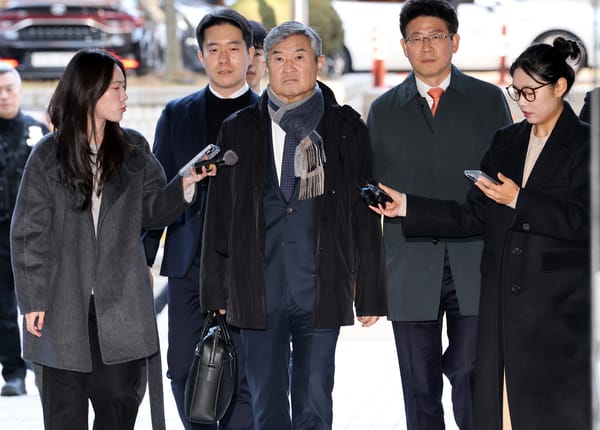
One of the year’s most unexpected developments was the brief imposition of martial law in South Korea following a massive cyberattack that paralyzed key government functions and financial systems. The government’s decision to deploy military forces in cities like Seoul and Busan sparked mass protests. The swift return to civilian governance underscored the resilience of South Korea’s democratic institutions, even in times of crisis.
Political Instability in Europe
Germany and France faced no-confidence votes in 2024, reflecting deepening political divisions. These events highlighted growing dissatisfaction with governance in two of Europe’s most influential nations. These challenges underscore the increasing polarization within the European Union’s member states.
Broader Implications for 2025
The events of 2024 reveal a world in flux, with political instability and social unrest dominating the global landscape. As we step into 2025, the lessons of the past year are clear: leaders must address the deep economic and social divides threatening to upend democracies and destabilize peace. The resilience of democratic institutions and the people’s collective will will be crucial in navigating the uncertainties ahead.
Conclusion
The year 2024 has left an indelible mark on global politics. It was a year of disruption and resilience, with nations confronting unprecedented challenges and opportunities for renewal. As the world moves forward, the responsibility lies with both leaders and citizens to ensure that the lessons of this tumultuous year lead to a more stable and equitable future. While preparing for the unexpected, let’s hope for the best in 2025!